Ian Weisberg — Unmasking the Magic: The Enduring Allure of ‘The Phantom of the Opera’
Get link
Facebook
X
Pinterest
Email
Other Apps
Ian Weisberg - Unmasking the Magic: The Enduring Allure of 'The Phantom of the Opera'
On Broadway, few shows have ever achieved the same success as "The Phantom of the Opera." Since its debut in 1986, it has gone on to become a global phenomenon that keeps audiences captivated. It's easy to understand why when you listen to the show's haunting music, see the extravagant sets, and watch its love story unfold onstage. Even if you're not a fan of theater, it’s hard to ignore this iconic production. In this article we’ll explore why it has been so popular for so long and what makes it a must-see for audiences around the world.
A Timeless Love Story
At its core, “The Phantom of the Opera” is a tragic romance that's been charming people for generations. The story follows a disfigured musician known as “the Phantom” who falls head over heels for Christine Daaé, a talented — and beautiful — soprano. It explores themes like unrequited love, compassion, and redemption that anyone can relate to. And with well-developed characters like these two and their complicated feelings towards each other, it’s easy for viewers to get emotionally invested.
Mesmerizing Music
Composed by Andrew Lloyd Webber himself, “The Phantom of the Opera” boasts some of Broadway’s most memorable tunes. Songs like “The Music of the Night,” “All I Ask of You,” and “Phantom of the Opera” are integral to the plot and have all become hits in their own right. With chilling melodies like these and powerful arrangements behind them all, it’s no wonder that they’ve stuck with listeners long after they’ve left their seats at the theater.
Opulent Production
From start to finish, “The Phantom of the Opera” is an artistic masterpiece in terms of set design alone. As soon as viewers enter the theater chandelier raises up into place above their heads — which promises that they’re in for something special. It’s safe to say that the lavish sets and costumes are what bring the story to life. You’ll feel like you’ve been transported to a 19th century Paris opera house. The attention to detail is mesmerizing, but it’s the illusions and special effects that truly make this show one of a kind. For instance, when the Phantom leads Christine through the misty candlelit lake in his lair on a boat, you can’t help but be blown away by what you’re seeing.
A Universal Appeal
No matter where you're from or what language you speak, it's likely that “The Phantom of the Opera” will resonate with you in some way. Its themes of love, longing, and beauty go beyond any cultural barrier or linguistic difference. Because of its universal appeal, there have been countless productions staged around the world — not just on Broadway and in London's West End. So, whether you’re watching it in Japan or Argentina, it will still move your heart all the same.
A Legacy of Excellence
“The Phantom of the Opera” has been around for over 30 years now — that’s a long time! And while its longevity alone is impressive enough on its own, it certainly isn’t all this production has going for them. It’s garnered critical acclaim and numerous awards throughout its run so far. Some of these accolades include Best Musical at the Tony Awards and Best New Musical at Olivier Awards. It set a standard for musical theater that many productions have tried to recreate ever since its debut and will continue inspire artists for centuries to come.
The Influence of The Phantom
The Phantom of the Opera's reach goes much further than just in a theater auditorium. The iconic half-mask worn by the character has been used for fashion, art and yes, even Halloween costumes. They turned this story into a movie back in 2004 directed by Joel Schumacher which made the musical way more accessible to people who weren't able to go to it. The Phantom’s unforgettable presence and romance tale has taken over people's minds across the globe, making it a cultural trend.
A Modern Classic
As time flows, things change but that doesn’t mean you can't adapt and keep up with the times. While keeping its core values untouched, they've added new technology into their performances as well as embraced new staging techniques to make their show better each year. This allows people who have seen it already, have a completely new experience once they come back to see it again. With this constant growth of the musical’s performance value is what keeps them relevant in our ever-changing world.
Community Built
This production of The Phantom of the Opera has created an extremely die-hard fandom throughout its years on stage. If you don't believe me, go look at any fan community page online or on social media and you'll see how strong peoples love for this play is. People all over are able to connect with each other about how they feel about the show through these forums whether it be good or bad experiences their bond through loving the phantom will forever connect them together.
The Ghost’s Future
Just because a show is old doesn’t mean that it doesn’t still have years left in it before there’s no more to gain from producing them anymore. The Phantom being one of those shows that will never get old guarantees us another few decades worth before we stop seeing it on stages globally. I can't stress enough how important this plays impact has been on individuals across time and how much joy It brings out in people each time they see it. There's no other show like it and there never will be.
Taking A Bow
To say that this play is legendary would be a massive understatement. It’s well known, loved by many and has been successful for so long because of its timeless music, extravagant production, and universal appeal. Whether you watch plays every weekend or just once in a while, the magic that comes from The Phantom of the Opera will blow you away each time you see it. Ian Weisberg
Dr Ian Weisberg Dr. Ian Weisberg is a preeminent Cardiac Electrophysiologist renowned for his contributions to the field. His academic journey began at Emory University, where he earned a B.A. in Economics and was inducted into Phi Beta Kappa. Furthering his education, he studied at the London School of Economics and the Institute of Italian Studies in Florence, Italy, before returning to Emory to obtain his Doctor of Medicine degree. Dr. Weisberg completed his Internal Medicine residency at UT Southwestern’s Parkland Memorial Hospital and pursued a Cardiology Fellowship at the University of Florida, Jacksonville, where he served as Chief Cardiology Fellow. He specialized in Clinical Cardiac Electrophysiology at the University of Chicago, focusing on complex ablation procedures for atrial fibrillation, SVT, and ventricular tachycardia, and the implantation of advanced devices like the Watchman Left Atrial Appendage Closure, pacemakers, ICDs, and CRT devices. Professionally, Dr. Weisber...
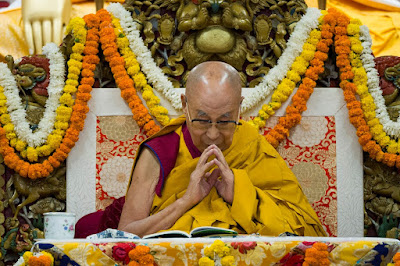
In the mountains of Tibet lives a spiritual teacher who has become an icon for peace, compassion, and wisdom. The Dalai Lama is the leader of the Tibetan Buddhism religion and millions have been captivated by his teachings about compassion, tolerance, universal responsibility, self-discipline, forgiveness and contentment. His beliefs span across all religions, so anyone from any walk of life can be happy. The core belief that Dalai Lama teaches is about compassion. He thinks it's the most important thing in life. He teaches that you shouldn't just say compassionate things but you should live a compassionate life. A large part of that is recognizing other people’s basic human rights and wishing they were free of harm and unhappiness. To him having a compassionate world starts with everyone having a compassionate heart. In today’s world full of different perspectives, he believes we should tolerate them rather than fight them. He understands that everyone has their own belief...
As a Dallas sports fan, it’s exhilarating to witness the magic unfolding on the hardwood this postseason. The Mavericks have always been a team with a storied history, but this year feels different. This year, we have something extraordinary . Luka Dončić and Kyrie Irving are not just playing well together; they are redefining what it means to be a backcourt duo in the NBA. Their synergy on the court is mesmerizing, and it’s no wonder that experts and fans alike are already whispering about them being one of the best scoring backcourts ever. The Luka-Kyrie Chemistry From the moment Kyrie Irving joined the Mavericks, there was palpable excitement. How would these two prodigious talents mesh? The answer came swiftly and decisively as they began to play off each other with an almost telepathic understanding. Luka’s exceptional court vision and Kyrie’s lightning-quick handles and scoring ability have created a dynamic offensive juggernaut. Their chemistry isn’t just about scori...



Comments
Post a Comment